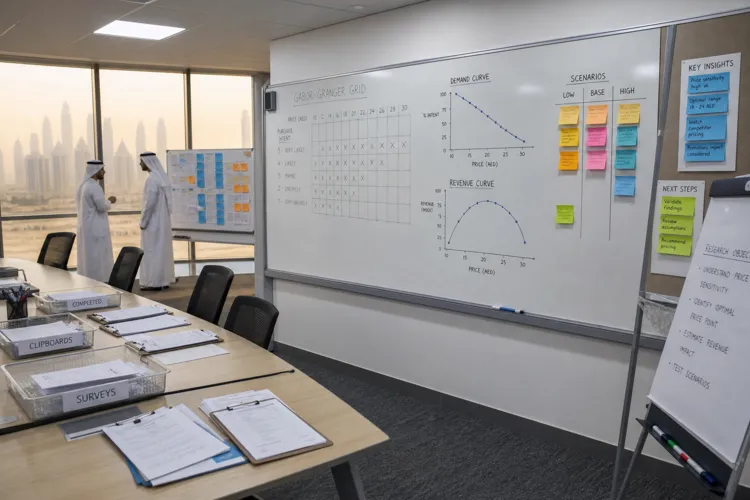

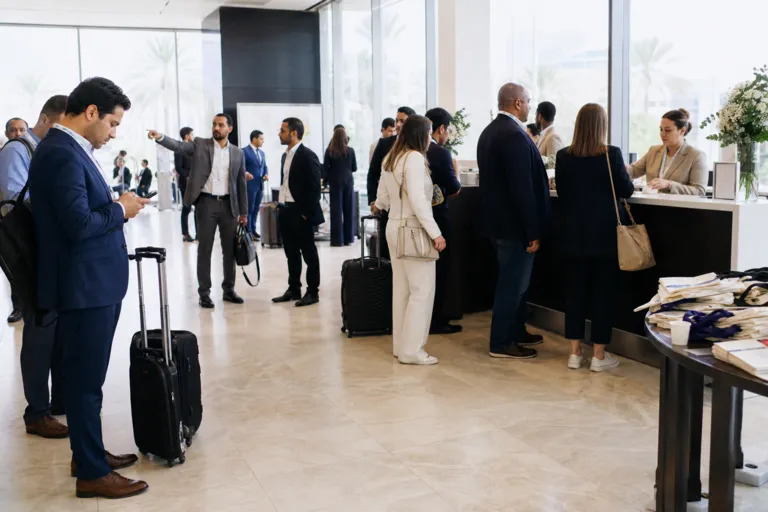
Abu Dhabi is building momentum as a global hub for meetings and events, supported by modern venues, strong government backing, and cultural depth. Skift noted that Abu Dhabi is working to improve visibility among global planners, after misconceptions limited awareness in key markets. The Abu Dhabi Convention and Exhibition Bureau (ADCEB) surveyed perception in India, China, Central Asia, Europe, and Southeast Asia. The same effort also highlights how direct air access is a decisive factor for planners, and ADCEB is also enhancing nightlife and entertainment so incentive travelers can find the activities they expect.
The scale-up is visible in the annual event count and delegate flows. ADCEB reported 6,625 MICE events during 2025. That was up 37% from 4,835 events in 2024. Delegate numbers also rose 40% in 2025 to surpass 2 million. ADCEB’s Advantage Abu Dhabi incentive and advisory programme supported 175 events, up eight from the prior year, and these supported events attracted 462,000 delegates, up 28%. For hoteliers, that matters because more delegates usually means more occupied room nights and more demand for premium service.
These MICE gains also sit alongside a wider tourism growth push. Skift reported Abu Dhabi unveiled a $7 billion tourism growth strategy targeting 7% annual visitor growth. The plan also targets 18,000 new hotel rooms and a doubling of tourism’s GDP contribution to $24.5 billion by 2030. Abu Dhabi also aims to create more than 216,000 tourism jobs by 2030. In practice, the strategy supports the same fundamentals business events rely on, such as hotel development, airport modernization, expanded airline routes, and the promotion of cultural heritage sites.
How Events Translate Into Higher Hotel Revenue
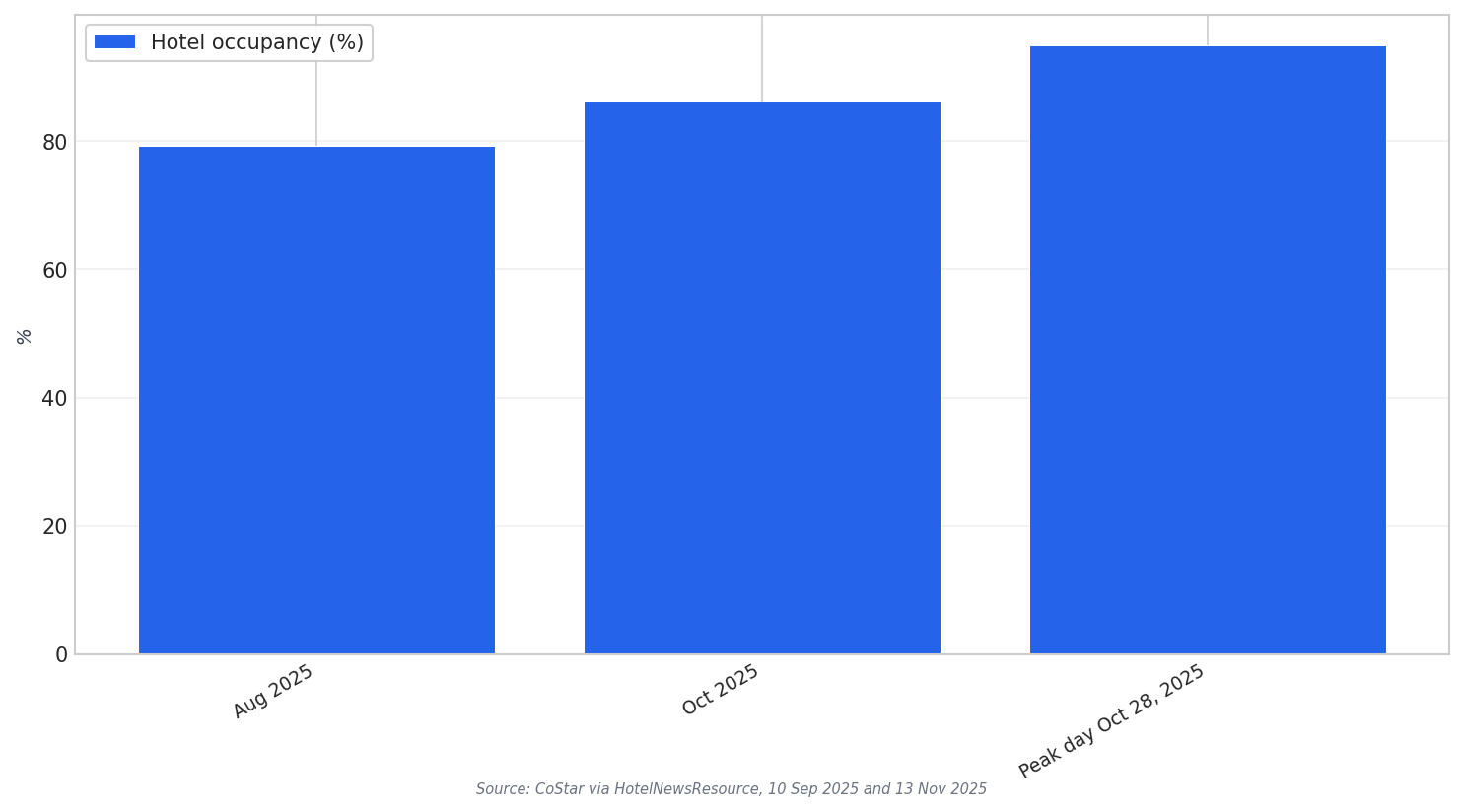
Event weeks have shown a clear revenue effect in Abu Dhabi’s hotel metrics. CoStar preliminary data cited by HotelNewsResource said Abu Dhabi reached 79.3% hotel occupancy in August 2025, with ADR up 10.6% to AED482.32 and RevPAR up 15.4% to AED382.25. In October 2025, during Showdown Week, occupancy reached 86.2%, the highest October level since 2008, while ADR surged 18.2% to AED809.28 and RevPAR climbed 20.2% to AED697.38. Daily occupancy peaked at 95% on October 28, and the month stayed above 80% on all but three nights.
Business events also reinforce Abu Dhabi’s premium positioning. ADCEB linked the MALT Congress’s return to Abu Dhabi’s mix of infrastructure, accessibility, and leisure offerings, and said the conference spotlighted cultural offerings while reinforcing the emirate’s role as a regional hub for premium markets and high-level events. Skift also pointed to venues such as the ADNEC Centre as part of a value proposition that combines premium hospitality, modern development, and cultural immersion. ADCEB’s director, Mubarak Al Shamsi, said increasing direct flights from major international hubs would improve accessibility and competitiveness with other global MICE destinations.
At the same time, the wider region has faced disruption risks that can directly affect hospitality demand. Skift reported that as of April 7, 269 events across the Gulf had been rescheduled since the Iran war began on February 28. The UAE absorbed the heaviest blow, with 17 cancelled and 50 postponed, according to Northbourne Advisory. The same report said the UAE MICE market was valued at around $6 billion last year, and leaders were cautiously optimistic about recovery in Q3 and Q4 2026, depending on improved security and air connectivity.
What is Abu Dhabi MICE tourism and why does it matter to hotels?
How fast did Abu Dhabi’s MICE events grow in 2025?
What hotel performance shows the revenue impact of major events?
What role does air access play in winning international business events?
What risks can disrupt business events and hospitality revenue?