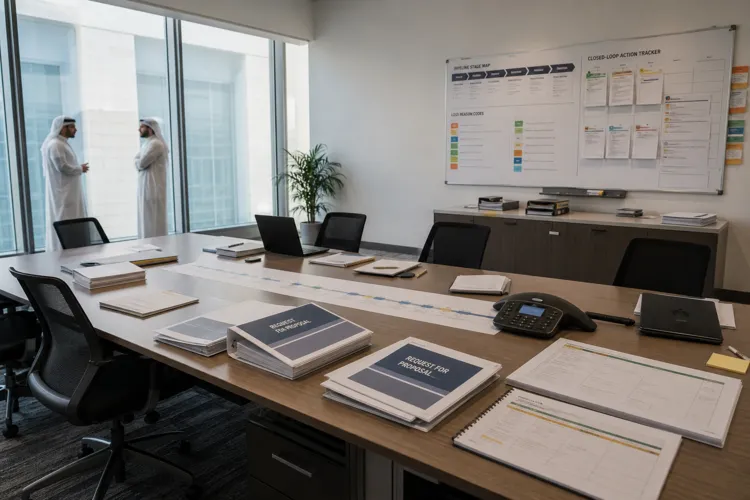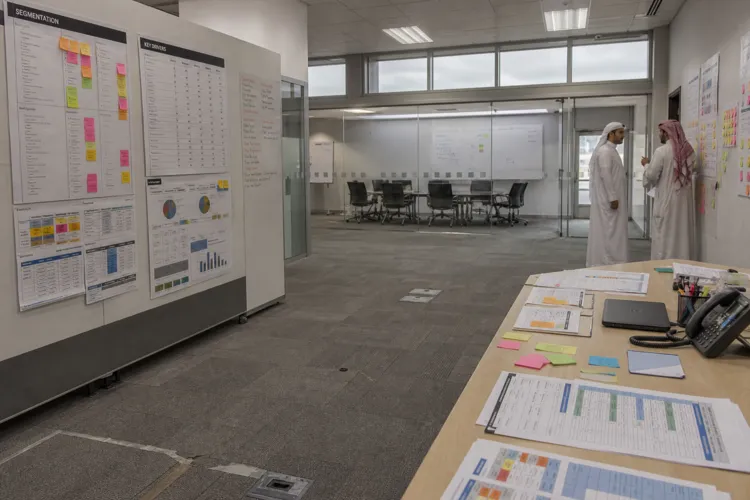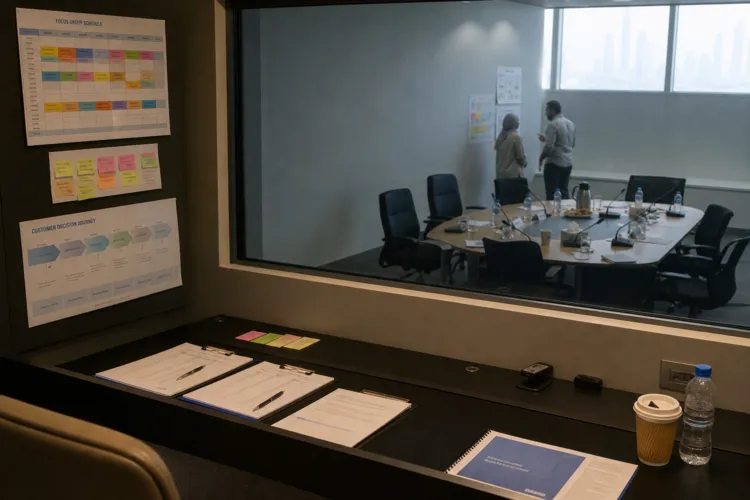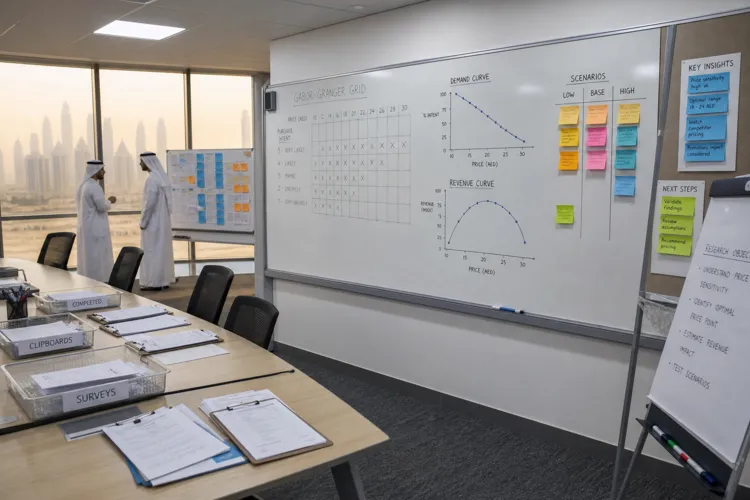


Choosing the right B2B market research methodology Abu Dhabi starts with the reality of B2B access. As Peter Weinberg puts it, B2B research often means dealing with “hard-to-reach, high-salary professionals.” That access constraint should drive your design. If your buyer set is limited, you need a methodology that protects sample quality, clarifies decision risk, and still meets timeline needs. The best approach is usually a blended plan: use evidence for direction, then validate with the right people before high-stakes moves.
Anchor your methodology in Abu Dhabi’s industrial context. Abu Dhabi’s Energy Efficiency Accelerators in the Industrial Sector initiative focuses on construction materials, food and beverages, metals, paper industries, rubber and plastics, and chemical and pharmaceutical industries. The metals sector alone accounts for more than 51% of electricity use and 26% of water use annually within the non-oil industrial landscape. This kind of operational reality changes what you should measure. For example, research questions can prioritize efficiency, procurement constraints, and capability needs, because these issues are directly tied to major resource use.
How to Match Method to Decision Risk and Speed
When speed is the constraint, synthetic research may be an option to explore. Weinberg says complex work like segmentation studies or category entry point analysis can now be done in a week, not a year, with reported 10 to 20 times cost savings and 100 times speed improvements. But methodology choice should also reflect confidence needs. MarketingWeek notes that “real insight needs real people,” while also reporting that the IPA Bellwether showed marketing research spend fell by a further 4.5 percentage points at the start of the year, after falling in every quarter in 2025. In practice, that means leadership may demand faster answers even as the need for defensible evidence rises.
If you need primary data with a workforce lens, look at the model used by Knowledge Group. It released a primary research study, “Understanding GCC Talent Patterns,” under the MENA Workplace Index initiative. The organisation cites delivery infrastructure such as 250+ in-house faculty members, 400 global thought leaders, and 600 expert partners worldwide, plus experience across 17 industries and 19 countries. The research outputs include practical recommendations like enhancing career architecture, addressing future skills gaps, and building data-driven HR intelligence systems. For Abu Dhabi industry teams, this supports methodologies that combine qualitative interviews, structured assessments, and data-driven intelligence for workforce-related buying and adoption decisions.
Finally, align your research to commercial realities and stakeholder scrutiny. Reuters reported ADNOC’s 14.7 billion euro bid for Covestro, a reminder that large industrial moves attract investigation and require defensible narratives. If you are researching markets linked to metals, also note how operational and financial metrics can matter to B2B stakeholders: Alba reported net profit rose 18.5% to BD218.7m ($581.6m), and net finished production reached 1,623,139 metric tonnes. Even when your study is not about a public company, B2B audiences often respond to methodologies that connect needs, performance, and risk in a measurable way.
A practical selection checklist helps. Use desk research to define the opportunity, then choose primary interviews or surveys when you must validate with real decision-makers. Add synthetic research when you need fast iteration or to explore scenarios before committing to costly fieldwork. In Abu Dhabi’s industrial fields targeted by energy-efficiency work, incorporate operational questions tied to electricity and water usage, and plan stakeholder-specific modules for procurement, sustainability, and workforce. The right B2B market research methodology is the one that fits the decision, the audience access, and the required level of proof.
What is the best B2B market research methodology Abu Dhabi teams can start with?
Which Abu Dhabi industrial fields are highlighted for energy-efficiency focus?
Why does metals matter when framing industrial research in Abu Dhabi?
What speed and cost claims are made about synthetic research?
What does MarketingWeek report about marketing research spending?