

Regional conflicts and geopolitical tensions continue to influence business conditions across the Middle East. For Abu Dhabi, these developments shape investor sentiment, tourism demand, and the stability of key economic sectors. The Abu Dhabi Business Impact of regional conflicts can be seen in foreign investment flows, oil market volatility, tourism trends, and overall business confidence.
One of the most visible effects appears in the tourism sector. According to the Abu Dhabi Tourism Authority, tourism activity in the emirate dropped by more than 65% in 2020, causing billions in economic losses. While the global pandemic played a role, regional tensions also influenced travel decisions. Safety perceptions often shape travel behavior. A 2019 YouGov survey found that 73% of potential tourists from Europe and North America expressed concerns about safety in the region when considering a trip to Abu Dhabi. This shows how geopolitical issues can directly affect visitor numbers, hospitality revenue, and related industries.
Foreign investment is another area where instability creates measurable consequences. Data from the UN Conference on Trade and Development (UNCTAD) shows that FDI inflows to the UAE declined by about 35% between 2010 and 2019 during periods of heightened regional tension. Investors often seek predictable markets when making long-term decisions. A PwC Middle East Investment Survey (2018) found that 57% of foreign investors cited regional instability as a critical factor affecting investment decisions. These figures highlight how geopolitical risks can slow capital inflows and delay major projects.
Economic Pressure Across Key Sectors
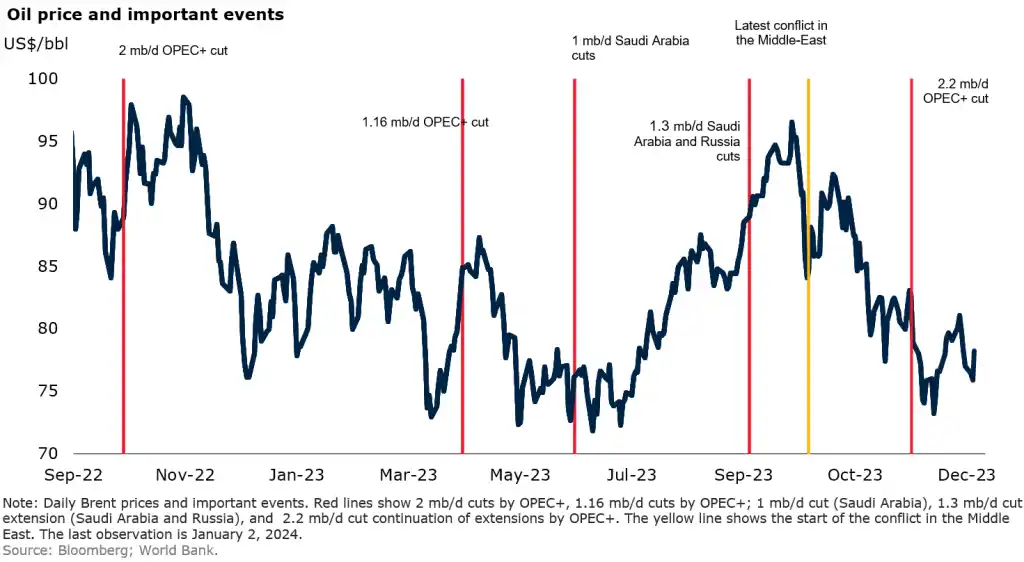
Oil market volatility also plays a major role in the Abu Dhabi Business Impact. The UAE remains closely linked to global energy markets. According to the International Energy Agency (IEA), regional conflicts caused oil prices to fluctuate by more than 20% during escalated tensions in 2019. Such swings can create uncertainty for government revenues and corporate planning. The UAE Ministry of Energy and Industry reported that oil revenues fell by around 10% in 2020, largely due to regional conflicts and market instability. These fluctuations affect both fiscal planning and private sector investment decisions.
Beyond oil and tourism, regional tensions also influence business confidence. Economic outlook data from the Dubai Chamber of Commerce indicates that business confidence in the UAE fell by 30% during periods of escalated regional conflict in 2021. Confidence is a key driver of economic growth because companies expand and invest when the outlook is stable. When confidence drops, firms often delay hiring, investments, and expansion plans.
Economic growth projections show a similar pattern. The International Monetary Fund (IMF) estimated that the UAE’s GDP growth could decline by 1.3% during periods of regional instability. Even a small slowdown can have wide effects across sectors such as real estate, retail, and infrastructure development.
Employment and job creation are also affected. A 2022 study by the Gulf Research Center found that regional conflicts contributed to a 15% reduction in job creation in sectors such as construction and tourism in Abu Dhabi. When companies face uncertainty, they often slow recruitment. In addition, the UAE Business Confidence Index reported that 40% of businesses halted expansion plans in 2021 due to uncertainty linked to regional tensions. This pause in expansion reduces opportunities for employment growth and investment.
Read also: The Rise of Abu Dhabi Sports Tourism Impact & The Economic Effect
Taken together, these indicators show how geopolitical instability can influence multiple pillars of Abu Dhabi’s economy. Tourism declines, reduced foreign investment, oil revenue volatility, and lower business confidence all contribute to the broader Abu Dhabi Business Impact of regional conflicts. While Abu Dhabi remains a strong economic hub in the Gulf, these figures illustrate how regional dynamics can shape the pace of economic growth and investment activity.