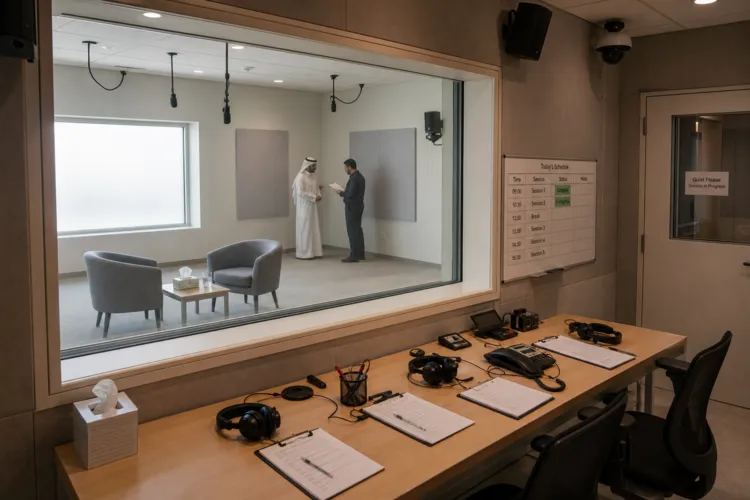


In the UAE, competitor analysis is framed as a structured evaluation of direct and indirect rivals across pricing, positioning, customer experience, operational model, and market behavior, read within the country’s regulatory and cultural context. Sources describing UAE practice also highlight practical realities that shape ethical tracking: emirate-level market differences, high pricing transparency, strong digital visibility, and rapid product and service cycles. For B2B teams operating in Abu Dhabi, that means “ethical” intelligence is usually less about secret collection and more about disciplined interpretation of what rivals openly signal through offers, channels, and service design. The goal is decision support for market entry, expansion, pricing, or repositioning, rather than a one-off report.
Start by defining scope before collecting anything. UAE-focused methodologies recommend specifying relevant emirates, customer segments, product or service categories, and the strategic questions the work must answer. Then map competitors across direct substitutes, alternative solutions, local versus international players, and premium versus mass positioning. This structure matters in Abu Dhabi’s B2B markets because it reduces the risk of chasing noise from lookalike firms that do not truly compete for the same buyers or projects. It also makes later benchmarking fair: you compare like with like, and you can explain why a rival’s pricing or delivery model differs rather than assuming it is “better.”
Ethical Data Sources That Work in Abu Dhabi B2B
Ethical collection methods in UAE competitor work often rely on observable market behavior. Sources list inputs such as pricing audits and package comparisons and the review of websites, apps, and booking platforms, which can be adapted to B2B by examining published service pages, downloadable brochures, proposal language, and inquiry funnels. Digital intensity is a major reason this approach is necessary: one UAE-focused guide projects digital ad spend to reach around USD 2.64 billion in 2026, with growth described as over 15% annually, and notes a 12.8% CAGR between 2020 and 2025. The same guide says the UAE’s SME digital transformation market is on track to reach roughly USD 1.14 billion by 2025, with a projected CAGR above 15% until 2030. In a landscape like this, ethical monitoring of digital visibility and messaging becomes a core part of competitive intelligence research UAE teams can actually operationalize.
Benchmarking should connect facts to commercial decisions, not just observations. A UAE competitor assessment example in façade systems found pricing varied 15–25% between comparable projects, driven not by product quality but by contractor structure and specification timing. That kind of insight is valuable in Abu Dhabi B2B sectors where procurement pathways and project specifications can change outcomes. Separately, a marketer-led UAE case study describes a structured analysis that revealed a brand priced like a premium player while operating like a mid-market player; after re-segmenting offers, improving delivery presence, and reframing bundles, the business saw a “double-digit uplift” in orders and repeat visits. The lesson for B2B is to treat pricing position, service model, and proof points as a single system you can measure and correct.
Finally, keep intelligence ethical by focusing on risk-aware monitoring and validated records. A UAE market intelligence source emphasizes monitoring competitor movement such as mergers, expansions, leadership changes, and trade behavior, alongside navigating economic, regulatory, and reputational risks. It also describes structured access to millions of business records, financial profiles, corporate hierarchies, and trade data updated regularly as a way to support decision-making. Combined with local expertise in multicultural markets—where methods must be tailored, not simply translated—this creates an ethical operating model: use transparent signals, document sources, and interpret findings through UAE norms and compliance realities before acting on them.
What does competitor analysis in the UAE typically evaluate?
Which ethical methods can B2B teams in Abu Dhabi use to track rivals?
Why is digital monitoring part of competitive intelligence in the UAE?
What can benchmarking uncover beyond product quality in UAE projects?
How should competitive intelligence research in the UAE be structured so it stays ethical?