
Sports tourism in Abu Dhabi is positioned as a year-round driver, not just a burst of ticket sales. The emirate was named the world’s leading sports tourism destination for eight consecutive years through 2020, reflecting a long-term strategy built around mega-events such as UFC Fight Island and the Formula 1 Abu Dhabi Grand Prix. One article also frames sports tourism as contributing around 5% of the UAE’s GDP, with Abu Dhabi playing a central role in that total. These events are repeatedly linked to broader hotel, dining, retail, and transport activity, and to reducing seasonality by pulling demand into months that were once considered lower season.
The wider tourism base behind this sports-led pull is visible in 2025 numbers from DCT Abu Dhabi. Abu Dhabi welcomed a record 26.6 million visitors in 2025. Hotel revenues grew 19.5% year-on-year to AED9.1 billion, while MICE delegates increased 40% to 2.2 million. Culture and leisure event attendance reached 4.2 million, up 20%, with the Department delivering 252 culture and leisure events. Individual attendance examples underscore how event-led travel scales: Coldplay’s four sold-out concerts at Zayed Sports City drew 193,470 attendees, Abu Dhabi T10 cricket had approximately 100,000 attendees, and the MOTN Festival attracted 252,988 visitors.
Major Event Calendar and What It Means for Spend
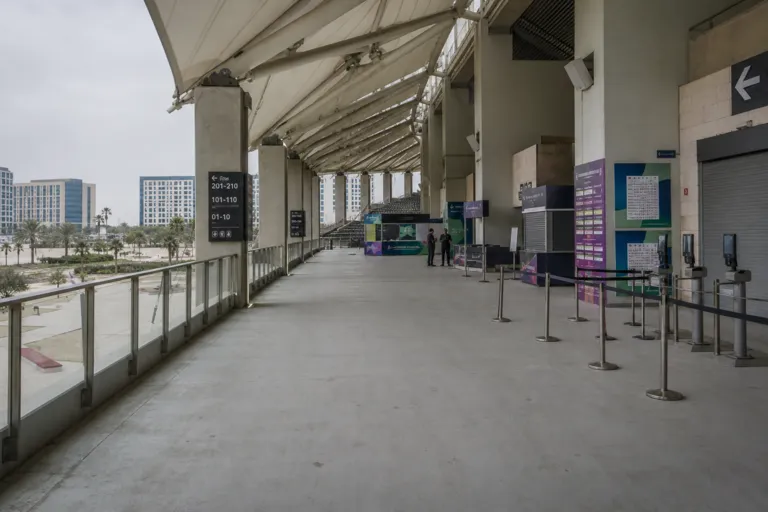
In the Abu Dhabi sports tourism market, the calendar is also a spending engine because sports visitors behave differently than traditional leisure travelers. One analysis states that sports tourists can spend up to three times more per day than traditional tourists, driven by tickets, premium seating, branded merchandise, fine dining, and curated experiences. On the supply side, Yas Island is described as the physical and symbolic center of this strategy, with Etihad Arena hosting UFC Fight Nights and Yas Marina Circuit anchoring the global F1 calendar. Commentary on major motorsport weeks also points to hotels operating at near-full capacity and often commanding premium rates during major events.
Visitor value is also shaped by length of stay and how much spending happens beyond the venue. Coverage aimed at property investors argues that a recurring event pipeline can support occupancy, hospitality revenue, and the appeal of surrounding developments, and it notes that Abu Dhabi’s investment in purpose-built venues has produced identifiable nodes for development. It also emphasizes practical questions: how long guests remain, which accommodation types they choose, whether visitors use surrounding commercial facilities or remain within the host venue, and how much revenue depends on peak event periods. The same perspective highlights that serviced apartments and hotel residences can benefit from increased occupancy during major gatherings.
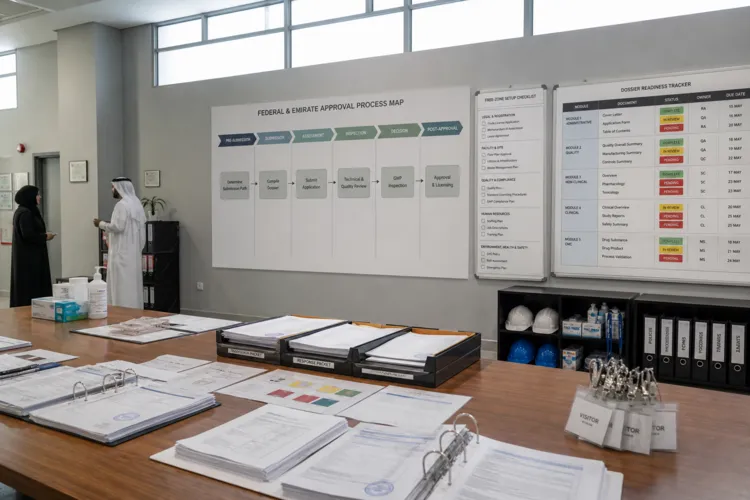
Venue investment is becoming part of the event-and-tourism proposition, creating opportunities for operators, suppliers, and adjacent real estate. A widely reported example is the planned Sphere Abu Dhabi on Yas Island, described as a US$1.7 billion investment backed by DCT Abu Dhabi and Sphere Entertainment Co., with an opening target of 2029. Separate reporting notes Abu Dhabi’s selection to host the 2029 Annual Meetings of the World Bank Group and the International Monetary Fund, adding a major win to the future calendar. For those assessing investment opportunities, the common thread is capacity-building around established clusters, plus operational readiness: one market analysis points to venue safety inspections and licensing frameworks that require emergency egress planning and food handling certifications, supporting more repeatable audience experiences.
What signals strength in Abu Dhabi’s sports tourism-related demand?
Which events and locations are repeatedly tied to Abu Dhabi’s sports tourism strategy?
How do sports tourists’ spending patterns differ from traditional tourists?
What major venue investment opportunity has been reported in Abu Dhabi?
How is the Abu Dhabi sports tourism market evolving through 2029?