
In a competitive city, brands need evidence of what happens on the shop floor and at the table. Mystery shopping Abu Dhabi is built for that. It is an in-person way to observe real interactions and compare them to brand standards. Sources emphasize that customers notice details that brands can miss, and that mystery shopping helps improve service quality through real-time market insights. Retailers use it to evaluate staff engagement, product knowledge, store presentation, and the checkout experience. In food and beverage, programs focus on service quality, food presentation, staff knowledge, and hygiene standards.
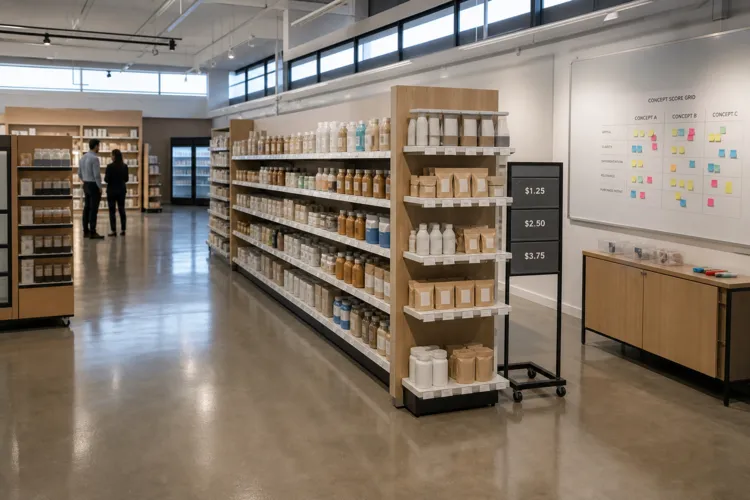
Retail programs are structured around observable moments that influence conversion and loyalty. One methodology describes store checks that include visual merchandising, product availability, promotional content execution, checkout efficiency, and staff engagement. Another checklist-based approach expands this into a consistent framework that can be compared across locations. It highlights the physical environment such as cleanliness, signage, layout, parking, and overall ambiance. It also assesses staff behavior and service quality, including whether employees offered assistance, how knowledgeable they were about products, and whether they followed company protocols during the visit.
How F&B Teams Measure Dining Consistency
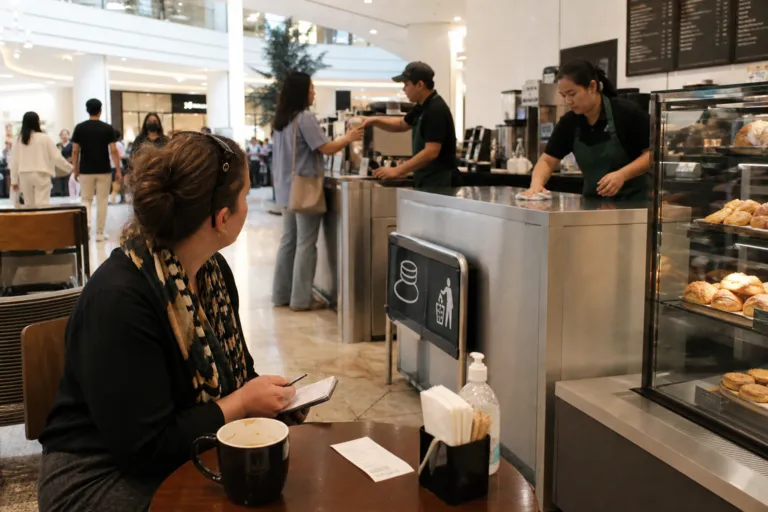
In restaurants and cafes, the “moment-to-moment” experience is the product. Mystery shopping programs for the food and beverage sector assess service quality, food presentation, staff knowledge, and hygiene standards to support a consistently excellent dining experience. A restaurant-focused methodology also looks at food quality, service speed, order accuracy, and the overall dining experience. For hospitality-style environments, evaluation can include ambiance, cleanliness, and health and safety compliance. Taken together, these checks show whether the guest experience is being delivered as intended, from arrival through payment.
Checklists are the practical tool that makes results comparable. A mystery shopper form typically covers customer service and staff behavior, cleanliness, product quality, overall layout, and compliance with safety regulations, service guidelines, and business procedures. The same source explains two common purposes: internal quality checks and competitive market research. It also notes that a checklist helps shoppers capture specific, documented observations. That structure makes feedback easier for businesses to review, compare across locations, and act on, especially when leadership needs to verify whether policies are consistently followed.
Providers in the UAE and wider region position mystery shopping as a data-driven customer experience input. One regional consultancy states it was founded in 2012, is headquartered in Dubai, and serves businesses across the GCC and MENA. It also states it operates with a network of over 30,000 professional mystery shoppers and has completed more than 50,000 evaluations, with a 90%+ client retention rate. Market commentary adds why demand is rising across industries: increased awareness of benefits for customer experience and staff training, growing service quality expectations, and the need for customized, multi-touchpoint programs.
For teams running retail and F&B locations in Abu Dhabi, the practical takeaway is simple: measure what customers see, and do it consistently. Use mystery shopping to test brand messaging and service delivery across customer interactions, including in-store visits and other touchpoints such as online platforms and call centers. Focus observations on greeting, product or menu knowledge, checkout or payment steps, and any follow-up support. Then convert those findings into targeted coaching and operational fixes. The goal is an independent view of experience quality that managers can act on quickly.
What is mystery shopping Abu Dhabi used to measure?
What do retail mystery shoppers typically evaluate?
What do restaurant mystery shoppers look for in F&B outlets?
Why do businesses use mystery shopper checklists?